How to reconcile data from multiple venues
3 min read
Multi venue reconciliation means aligning timestamps and comparing prints across sources so only cross‑confirmed events influence a signal. This reflects a broader methodological standard of cross‑source validation and robustness testing.
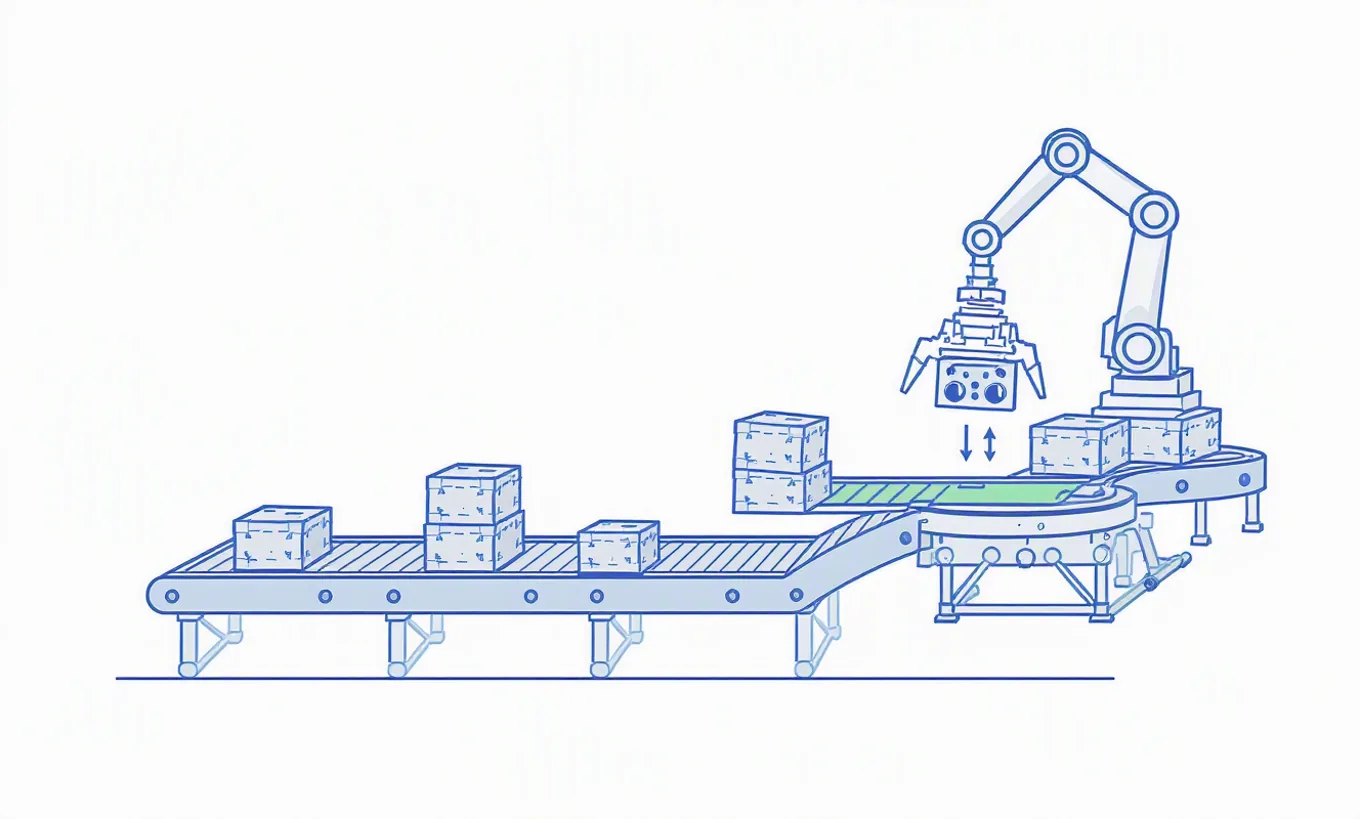
Multi venue reconciliation means testing whether the same market event is represented consistently across more than one data source before it is allowed to influence a downstream signal. In practice, the process has two parts. First, timestamps are aligned so prints from different venues can be compared on a common time basis. Second, trade prints are cross checked and marked when they diverge across venues.
The mechanism is straightforward. Each venue reports trades and quotes with its own clock behavior, transport delay, batching pattern, and formatting conventions. If those records are compared without alignment, the same event can appear to disagree simply because it was stamped differently. Aligning timestamps reduces this mechanical mismatch and makes cross venue comparisons more meaningful. After alignment, prints can be grouped into comparable windows and checked for agreement on fields such as time ordering, price, size, or event presence. When one venue shows a print that other venues do not confirm within the comparison rule, that observation can be flagged as divergent rather than accepted as a confirmed market event.
This approach is useful because a single venue can contain venue specific noise, recording artifacts, or isolated anomalies that do not generalize across the broader market picture. Requiring a result to hold across sources changes the burden of proof from single source appearance to multi source confirmation. That tends to make downstream features and labels more conservative. It can reduce sensitivity to one off discrepancies, but it also introduces a trade off because some genuine events may appear on only one venue or may arrive outside the matching tolerance.
Cross venue data work involves combining information across venues, which aligns with the concept of reconciliation across multiple feeds. A backtest overfitting audit tool reinforces that any claimed improvement in signal quality should be tested for robustness rather than accepted from an in‑sample result. The deflated Sharpe ratio supports the need to discount apparent strategy quality when multiple trials or selection effects are present. Together, these ideas justify a careful validation framework for multi‑venue methods.
A defensible implementation therefore has three layers. The first layer is clock and event normalization so records can be compared on a common timeline. The second layer is divergence detection that separates cross venue agreement from isolated prints. The third layer is statistical validation that tests whether the reconciliation rule improves the stability of signals out of sample and after accounting for multiple testing. The last layer is essential because filtering rules can appear helpful in development while only reshaping noise.
Drafted with AI assistance from cited sources. Reviewed and approved by Sonar Sciences Quant & Research Team.