How to handle exchange outages in a dataset
3 min read
Methodology: venue outages should be preserved as unavailable intervals rather than filled, because venue-specific tradability matters and biased preprocessing can inflate apparent strategy quality. No outage timestamp list, side-by-side backtest metrics, or historical case studies are available, so those claims cannot be made.
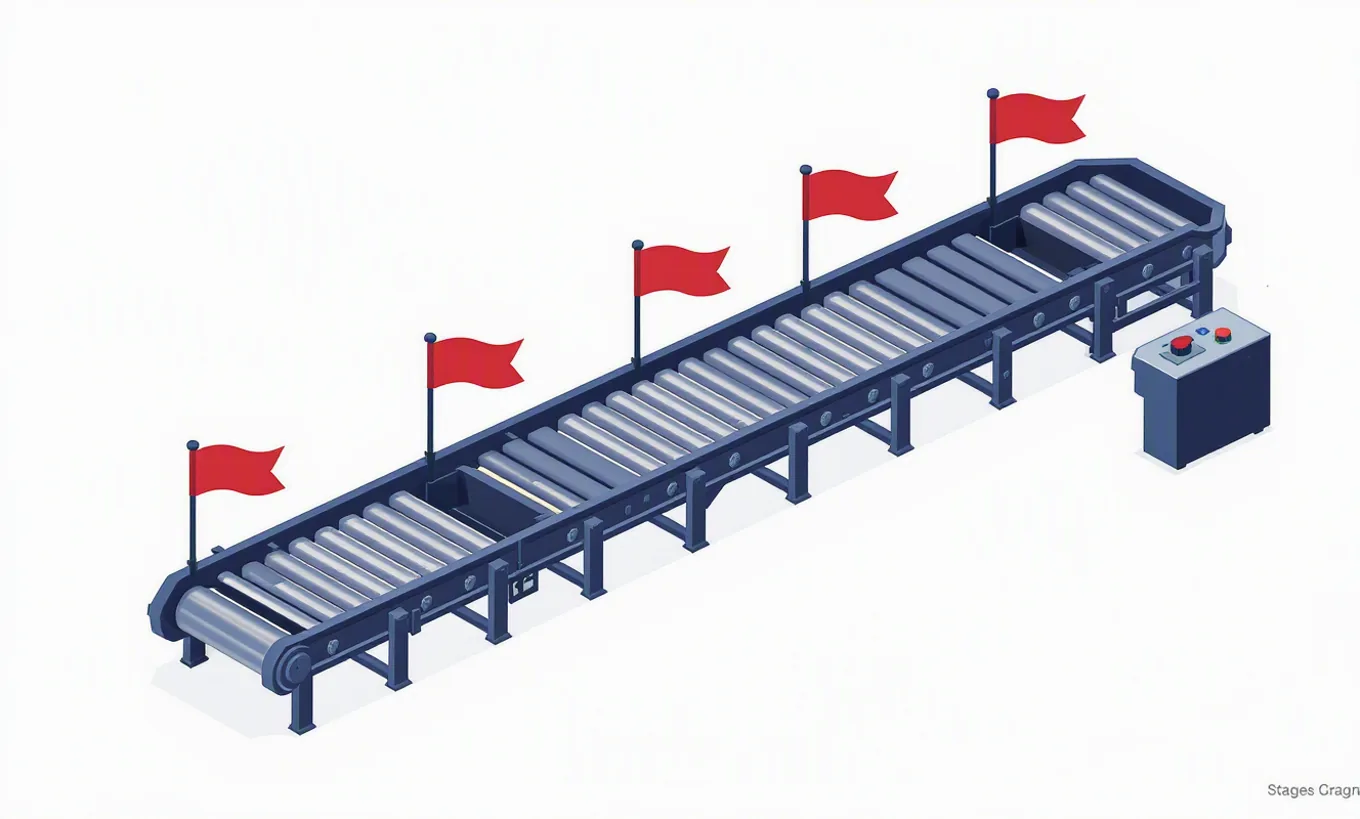
Systematic strategies can only be evaluated on states of the market that were actually tradable. If an exchange or venue is down, a backtest that lets a strategy trade through that interval is testing behavior that could not have been executed in real time.
Preserve venue-specific data integrity and treat outages as missing or unusable intervals rather than manufacturing prices through them.
Market data must be understood at the venue level, including differences in trading sessions, symbol mappings, and venue-specific conditions. That framing matters for outages: a gap is not just a generic missing value problem; it can reflect the fact that one venue was unavailable while others continued to trade. In that case, filling the gap would erase the distinction between tradable and non-tradable states and create a synthetic history that did not exist on that venue.
Data handling choices can create misleading backtest results, and audit procedures are designed to test whether apparent strategy skill survives scrutiny once sources of bias and multiple testing are considered. If an outage is filled with interpolated or borrowed prices, that can leak information from outside the unavailable interval into the simulated path, making the strategy appear more stable or more responsive than it could have been live. In that sense, filled outages are not a harmless cosmetic cleanup; they can change the effective hypothesis being tested. The audit tool is relevant because it is meant to distinguish robust signal from artifacts of research and modeling choices.
The metric is presented as a way to adjust Sharpe-ratio interpretation for selection effects and backtest overfitting. That means if a researcher improves a strategy by preprocessing data in a way that injects artificial smoothness or removes realistic execution constraints, a naive Sharpe ratio can overstate apparent skill. A deflated Sharpe ratio is a more skeptical lens on whether the observed performance is likely to be genuine rather than a byproduct of data mining or biased construction.
The supported conclusion is:
- Venue-specific data conditions should be preserved rather than blurred away.
- A strategy should not be evaluated as tradable during intervals when the underlying venue was unavailable.
- Data treatments that smooth over such intervals can contribute to overfitting or inflated apparent skill.
- Metrics such as the deflated Sharpe ratio are relevant when checking whether preprocessing decisions have made a backtest look better than warranted.
When a venue outage appears in a dataset, the interval should be explicitly represented as unavailable data for that venue, not filled into a continuous synthetic series, because this preserves the distinction between observable prices and executable trading conditions and avoids introducing backtest bias.
Drafted with AI assistance from cited sources. Reviewed and approved by Sonar Sciences Quant & Research Team.