How to detect stale quotes in a feed
3 min read
The concept and mechanisms are explained.
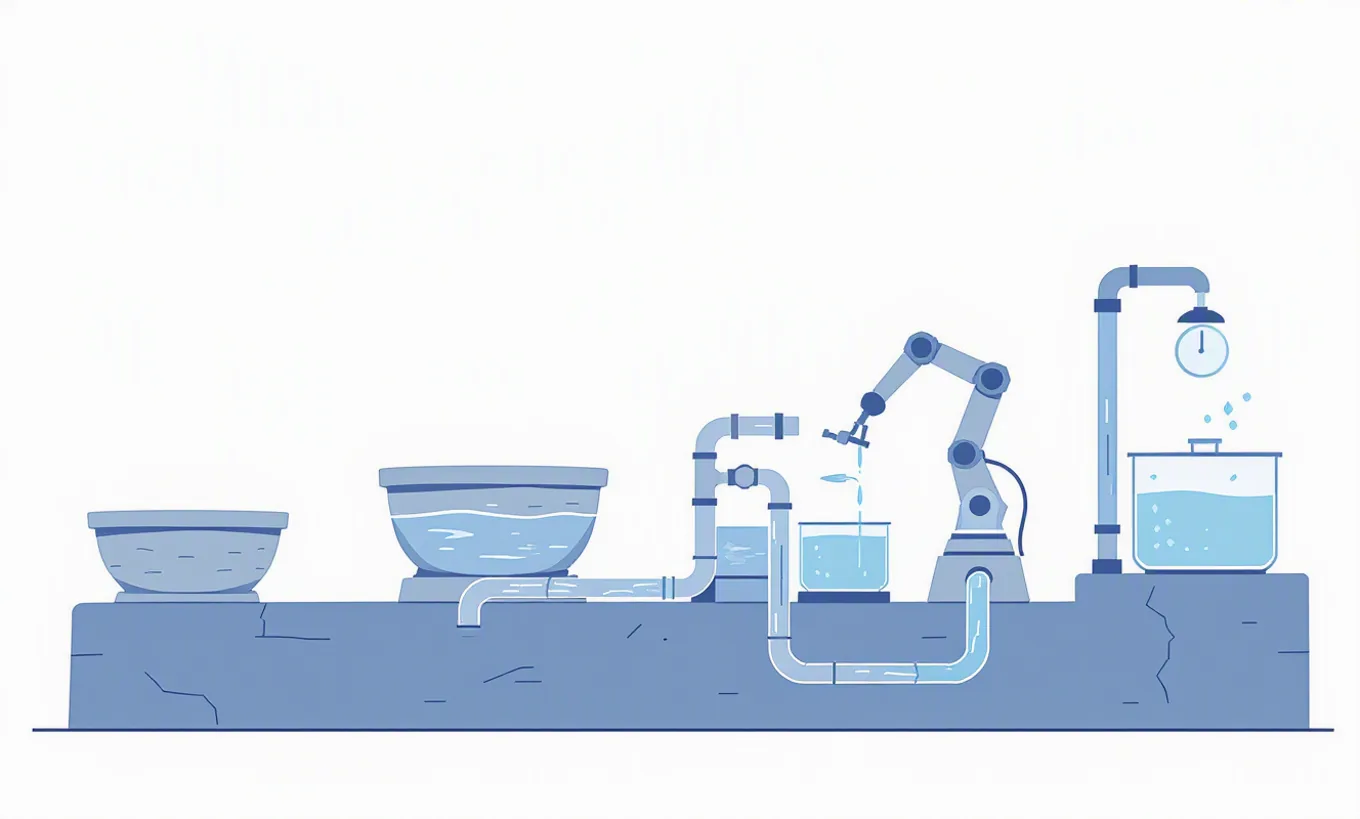
A stale quote is a price update that no longer reflects the current market state. In practice, a feed can look healthy at the transport layer while still publishing old values, so stale-quote detection needs checks on timing, quote change behavior, and agreement with an independent feed.
Market data is the price and trade information produced by trading venues and redistributed to users and systems. It typically includes bid and ask quotes, last sale information, and related reference fields, and it is consumed in real time by trading and analytics systems. A stale quote problem appears when that information stops updating in line with the market even though downstream systems may still be connected.
One detection mechanism is a heartbeat gap. A heartbeat is a periodic sign that a stream is still advancing. If a feed normally emits a message every second during an active session, then a silence of three seconds is a gap of three heartbeats because three minus zero equals three missed intervals in that three second window. The practical reason this matters is simple: a frozen stream often stops changing before the connection is declared down, so elapsed time since the last valid update is a direct signal of staleness.
A second mechanism is an unchanged price through an active period. During active trading, quotes and trades typically change as orders arrive, are canceled, or are executed. If the best bid and best ask remain exactly the same while the broader market is active, that stationary quote can indicate that the local feed is stale rather than that the market is inactive. For example, if a symbol shows the same bid and ask for five consecutive one second slices, then the quote has remained unchanged for five seconds because one second multiplied by five slices equals five seconds of no change. This is more informative when paired with evidence that trading is active in the same interval, because an unchanged quote in a quiet market is not inherently stale.
A third mechanism is cross feed lag comparison. Market data can be obtained from more than one venue or source, and comparing the arrival and change times across independent feeds can expose a frozen stream. If feed A shows a quote change at 09:30:10 and feed B shows the corresponding change at 09:30:13, then feed B lags feed A by three seconds because thirteen minus ten equals three seconds. If that lag persists across successive quote changes rather than appearing as a single delayed message, the pattern is consistent with a stale or frozen stream.
These three checks complement each other. A heartbeat gap captures the absence of updates. An unchanged price through an active period captures the absence of state change despite market activity. A cross feed lag comparison captures disagreement with an external reference when the local feed appears connected. Used together, they reduce the chance that any one benign condition is mistaken for staleness.
First, record the elapsed time since the last valid quote or heartbeat. Second, track whether bid or ask values have changed over a rolling active window. Third, compare quote-change timestamps against an independent feed and calculate the lag for each matched change. A stream that is silent, unchanged during active trading, and persistently behind another feed is a strong candidate for a stale stream.
Drafted with AI assistance from cited sources. Reviewed and approved by Sonar Sciences Quant & Research Team.