Why feature checklists mislead platform choices
4 min read
Research supports the claim that feature checklists can mislead platform selection by reducing complex research capabilities to binary presence/absence. It shows that depth matters, especially around backtest-overfitting controls and statistically adjusted performance interpretation such as deflated Sharpe ratio.
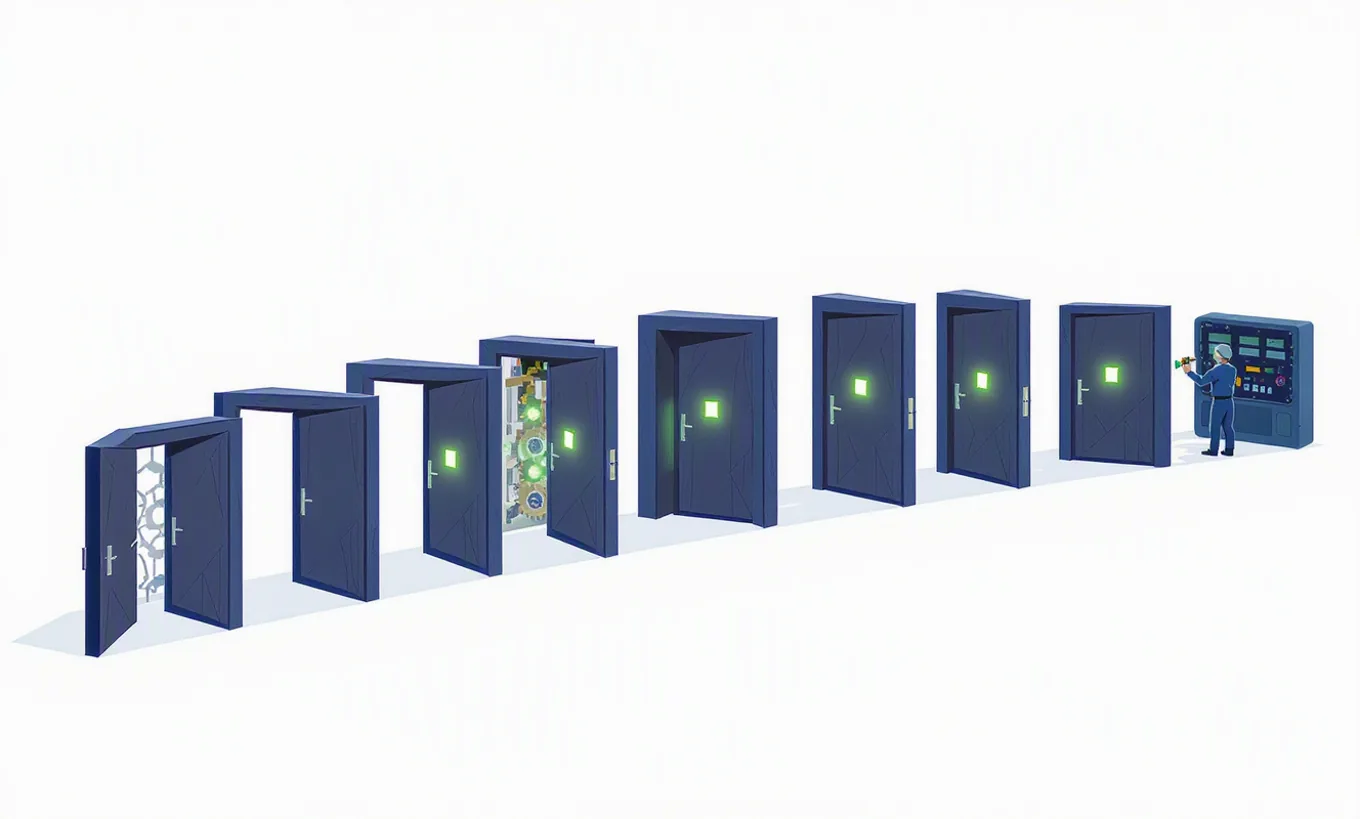
A feature matrix is attractive because it compresses a complicated platform decision into a row of ticks. For quantitative traders, that simplification is often the problem rather than the solution.
The core claim is that platform selection depends on implementation depth and research quality, not just whether a feature exists in name.
Research is explicitly framed around evaluating trading platforms across dimensions that go beyond a binary checklist. Rather than treating a capability as simply present or absent, the comparisons material emphasizes qualitative and structural differences in how platforms handle workflow, analysis, and research needs. That directly supports the idea that a matrix cell can hide decisive differences in depth of implementation.
The backtest-overfitting audit tool reinforces why binary checklists are insufficient for quant workflows. A platform may let a user backtest a strategy, which would earn a tick in a feature matrix, but that says nothing about whether the research process can detect or control overfitting. For a quantitative trader, the meaningful question is not merely whether backtesting exists, but whether the surrounding research discipline can identify when apparent results are likely to be artifacts of repeated trial-and-error rather than robust findings.
The entry for deflated Sharpe ratio supports the broader point that headline metrics require adjustment for multiple testing and selection effects. Two workflows might both claim support for performance evaluation, and both would therefore receive the same checklist mark. But if one workflow encourages unadjusted interpretation of Sharpe-like statistics while another foregrounds deflated Sharpe ratio concepts, the practical research quality is different even though the checklist looks identical.
Why a row of ticks is too shallow
A checklist is binary by design. It asks questions like: - Does the platform support backtesting? - Does it provide analytics? - Does it allow strategy evaluation?
For quant users, those are only entry-level questions. The more important questions are about depth: - How is overfitting risk surfaced or audited? - How are repeated tests and selection bias accounted for? - What research assumptions are made visible versus hidden? - How much methodological support exists beyond the raw feature itself?
There is a distinction between feature presence and feature quality. Backtesting without overfitting awareness is not equivalent to a research process that includes explicit audit mechanisms. Performance evaluation without accounting for multiple trials is not equivalent to evaluation that uses deflated Sharpe ratio ideas to temper inflated in-sample impressions.
This is the key reason feature checklists mislead. They flatten methodological depth into yes/no categories. Once that flattening happens, platforms that are materially different for research integrity can appear interchangeable.
Where the evidence stops
This narrower support means that binary feature presence alone is insufficient, as the earlier discussion of overfitting audits and deflated Sharpe ratio concepts demonstrates.
Practical takeaway for platform selection
Based on the earlier evidence about overfitting audits and deflated Sharpe ratio considerations, quantitative traders should treat feature checklists as a starting filter, not a decision rule. A tick can indicate that a capability exists, but not whether it is implemented in a way that supports sound research practice. In areas like backtesting and performance evaluation, the decisive differences are often methodological and statistical, which rarely fit inside a single matrix cell.
Drafted with AI assistance from cited sources. Reviewed and approved by Sonar Sciences Quant & Research Team.