Vectorized or event-driven backtesting
3 min read
Regardless of simulation style, repeated testing and strategy selection can inflate apparent backtest quality, so tools like Sonar’s backtest-overfitting audit and the deflated Sharpe ratio are relevant for judging whether reported results are statistically credible.
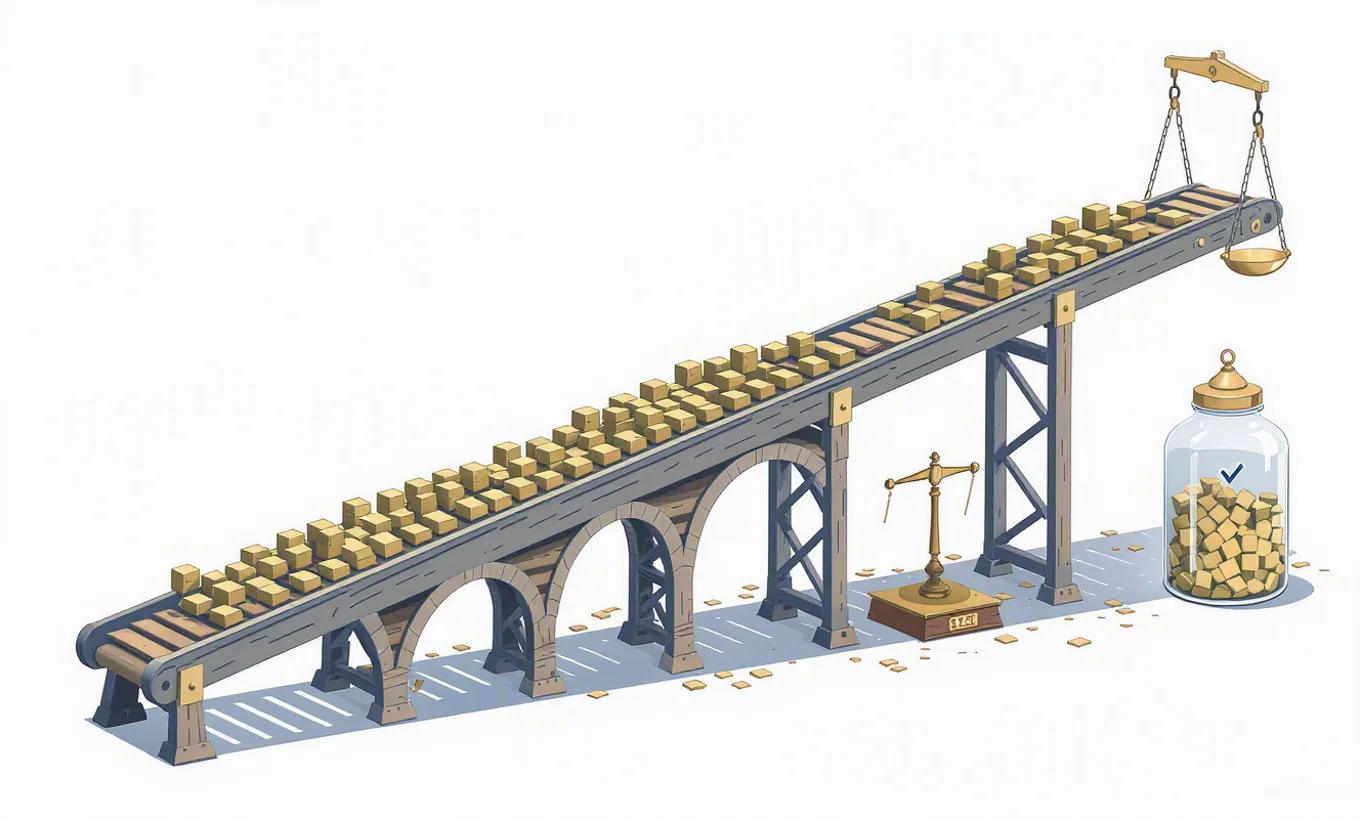
Backtesting style matters because evaluation quality depends not only on the strategy logic but also on how the testing process handles multiple trials, selection effects, and statistical interpretation. Sonar’s comparison material describes a workflow in which strategy ideas are generated, tested, and then examined for overfitting risk rather than judged only by raw in-sample results. Its backtest-overfitting audit tool is presented specifically as a way to assess whether a backtest result is likely to be overstated by repeated testing and selection. The deflated Sharpe ratio glossary entry similarly frames performance evaluation as a statistical correction problem: a reported Sharpe ratio should be interpreted in light of non-normal returns, sample length, and the fact that many variants may have been tried before selecting the final specification. A practical implication for simulation architecture is limited but useful: if one backtesting style makes it easier to run many variants quickly, that can increase the need for explicit overfitting controls. Repeated experimentation and model selection can inflate apparent strategy quality, and tools such as a backtest-overfitting audit and the deflated Sharpe ratio are relevant safeguards. Use statistical validation alongside any backtesting approach. Treat raw backtest outputs cautiously when many hypotheses or parameter combinations were explored. Use Sonar’s backtest-overfitting audit to examine selection bias risk in the research process. Use the deflated Sharpe ratio as a more conservative performance interpretation than an unadjusted Sharpe ratio when multiple trials and non-ideal return properties are present.
Drafted with AI assistance from cited sources. Reviewed and approved by Sonar Sciences Quant & Research Team.