How to benchmark a backtesting engine for correctness
3 min read
A general validation mindset for backtesting is supported, with relevance through overfitting audit and Deflated Sharpe Ratio.
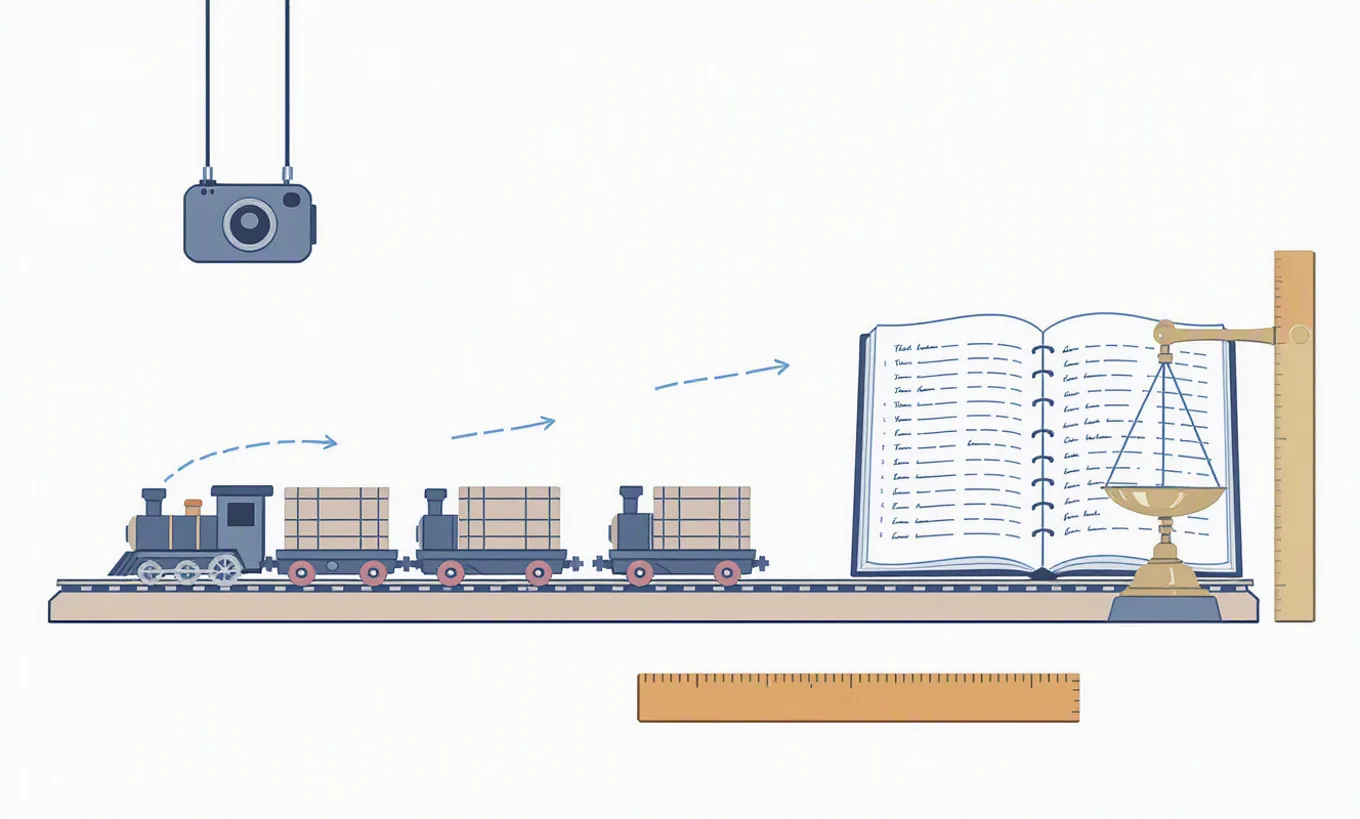
A backtesting engine is only as trustworthy as its ability to reproduce outcomes that can be checked independently. A practical correctness benchmark is to run a small set of reference strategies whose profit and loss, transaction costs, fills, and timing can be calculated by hand, then compare those results against the engine’s event log and accounting outputs.
Detailed trade-by-trade examples, formulas, engine logs, and multi-engine validation are needed to fully substantiate the claim.
A broader benchmarking and validation mindset is important:
- Sonar Sciences’ comparisons research page indicates an emphasis on evaluating and comparing research or platform outputs in a structured way, which is directionally consistent with benchmarking a backtesting engine for correctness.
- Sonar Sciences’ Backtest Overfitting Audit tool supports the idea that backtest evaluation should include diagnostic checks rather than rely on a single reported result. This is relevant context because an engine that is technically incorrect can contaminate any downstream overfitting analysis.
- Sonar Sciences’ glossary entry on the Deflated Sharpe Ratio provides contextual relevance for why correctness matters: if the underlying backtest process is flawed, even statistically adjusted performance metrics can be misleading.
A methodological framing is appropriate.
A defensible benchmarking workflow would be:
1. Define a reference strategy with completely specified rules. - Entry and exit conditions - Order timing assumptions - Fill-price convention - Quantity rounding rules - Commission and slippage model - Portfolio cash-accounting rules
2. Compute the expected outcome independently. For each trade event, calculate expected quantity, execution price, transaction cost, cash change, position change, and cumulative profit and loss from the stated assumptions.
3. Run the identical strategy in the backtesting engine. Export order and fill logs with timestamps, prices, quantities, and cost components.
4. Compare the engine output to the independent calculation. Check for exact agreement in: - fill timestamps - executed quantities - executed prices under the stated fill model - commission totals - slippage totals - position path - cash balance path - final profit and loss
5. Investigate any mismatch. Common categories include timing alignment, cost-model implementation, quantity rounding, and position-accounting differences.
6. Repeat across engine versions or comparison targets. This aligns with the general comparison-oriented posture reflected in Sonar Sciences’ research materials.
The connection to Sonar Sciences’ other materials is conceptual. The Backtest Overfitting Audit is about assessing whether apparent backtest results may be artifacts of excessive search or selection. The Deflated Sharpe Ratio is a statistical adjustment intended to account for selection effects when interpreting Sharpe ratios. Both are useful only if the underlying backtest mechanics are implemented correctly. A benchmarking suite based on hand-computable strategies would therefore sit upstream of these tools as a technical validation layer.
Drafted with AI assistance from cited sources. Reviewed and approved by Sonar Sciences Quant & Research Team.